
Custom Cabinetry: What to Know Before You Start
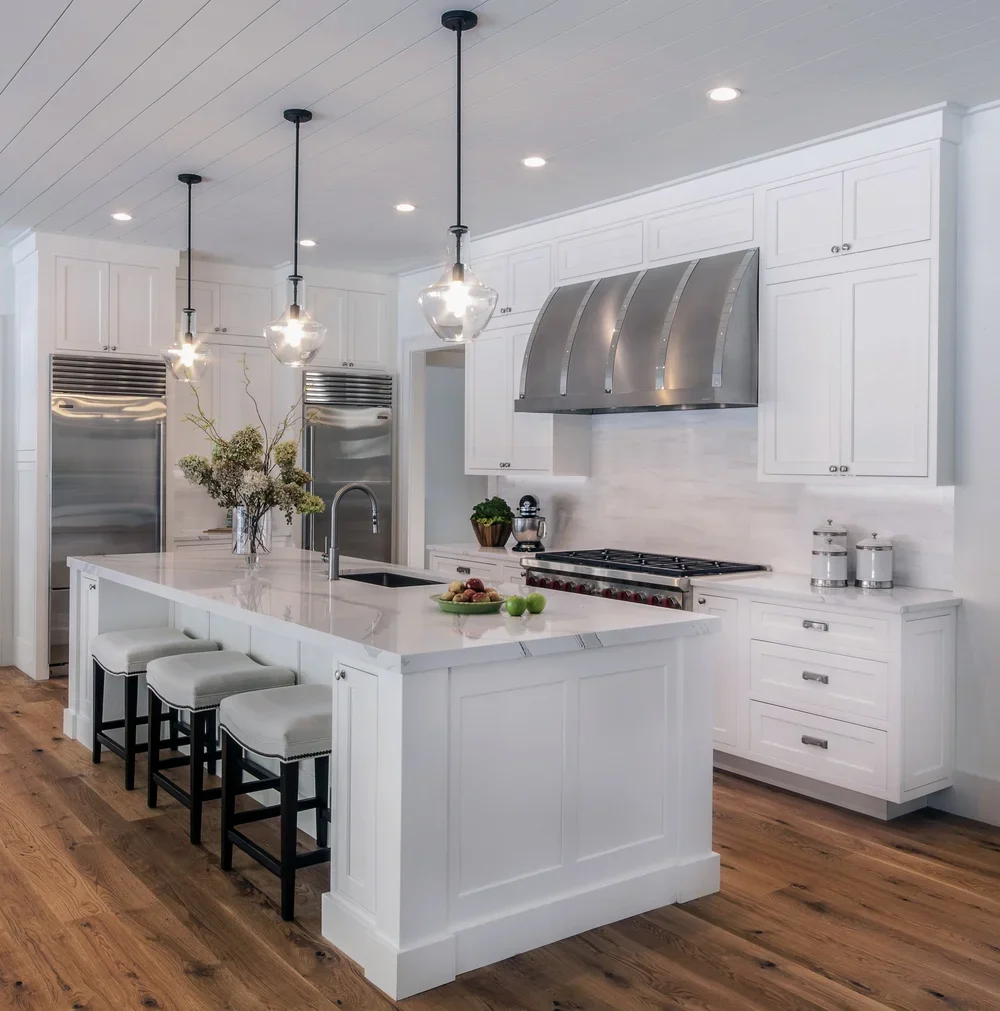
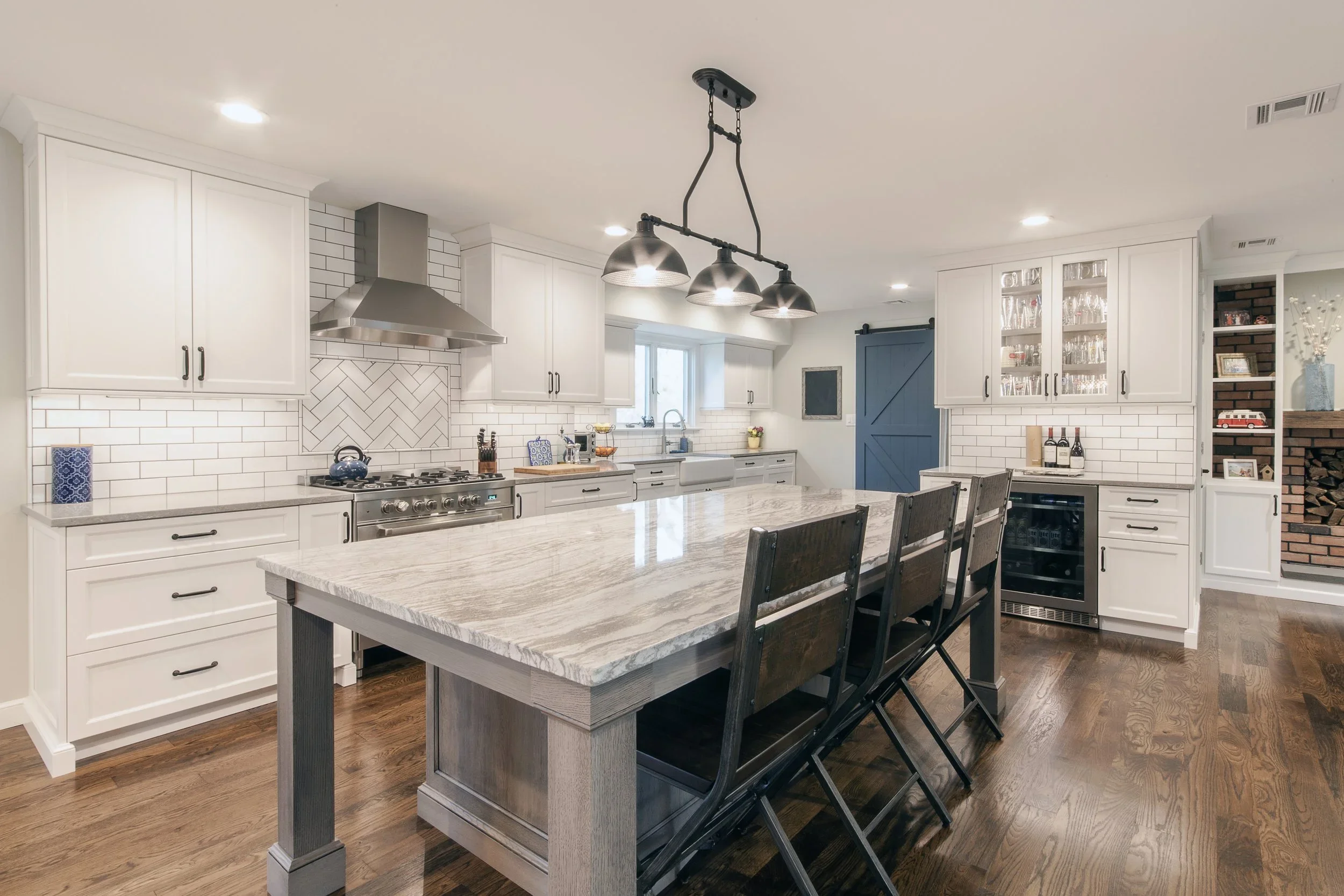
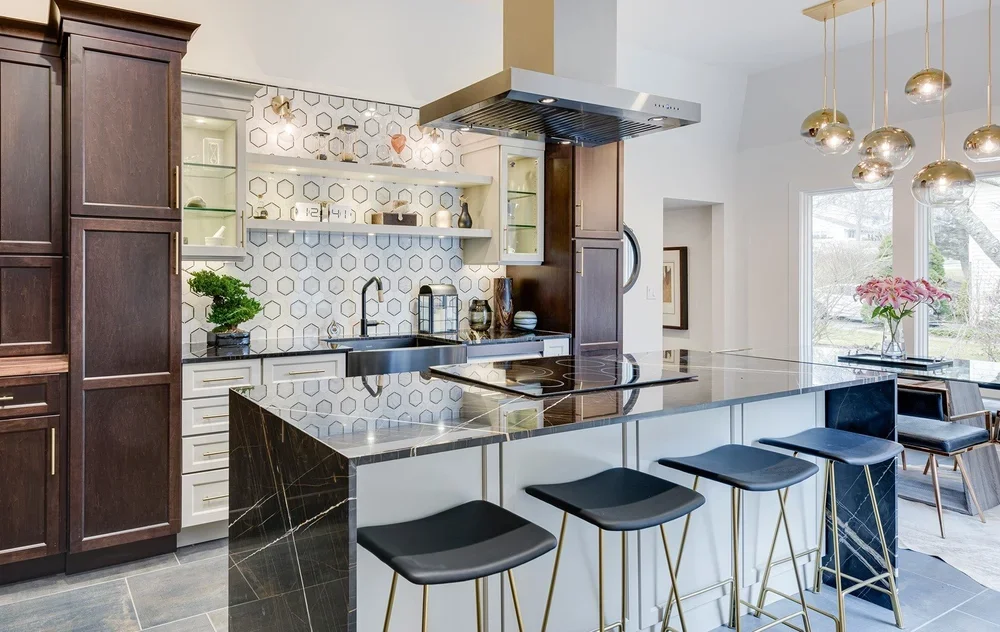
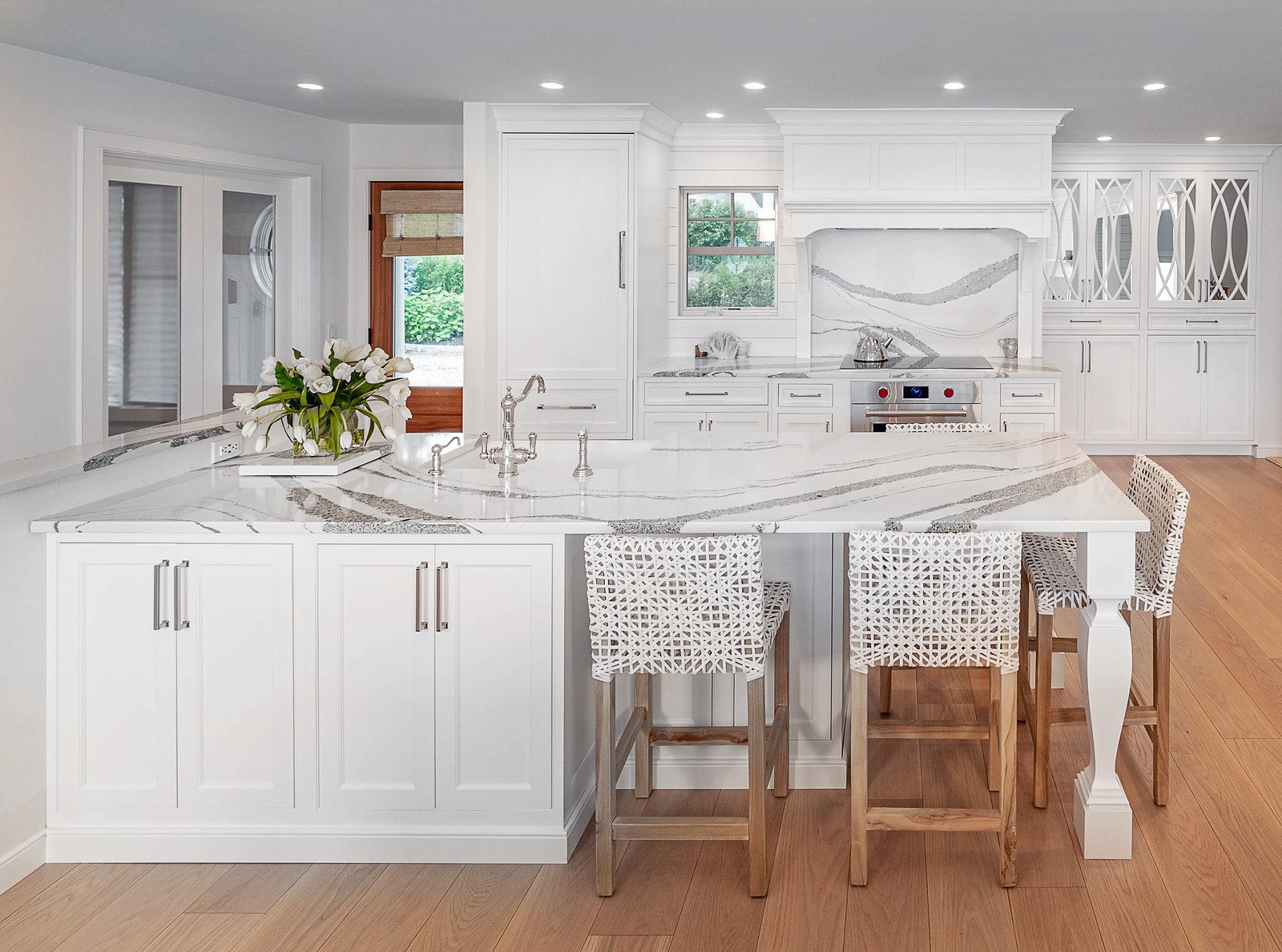
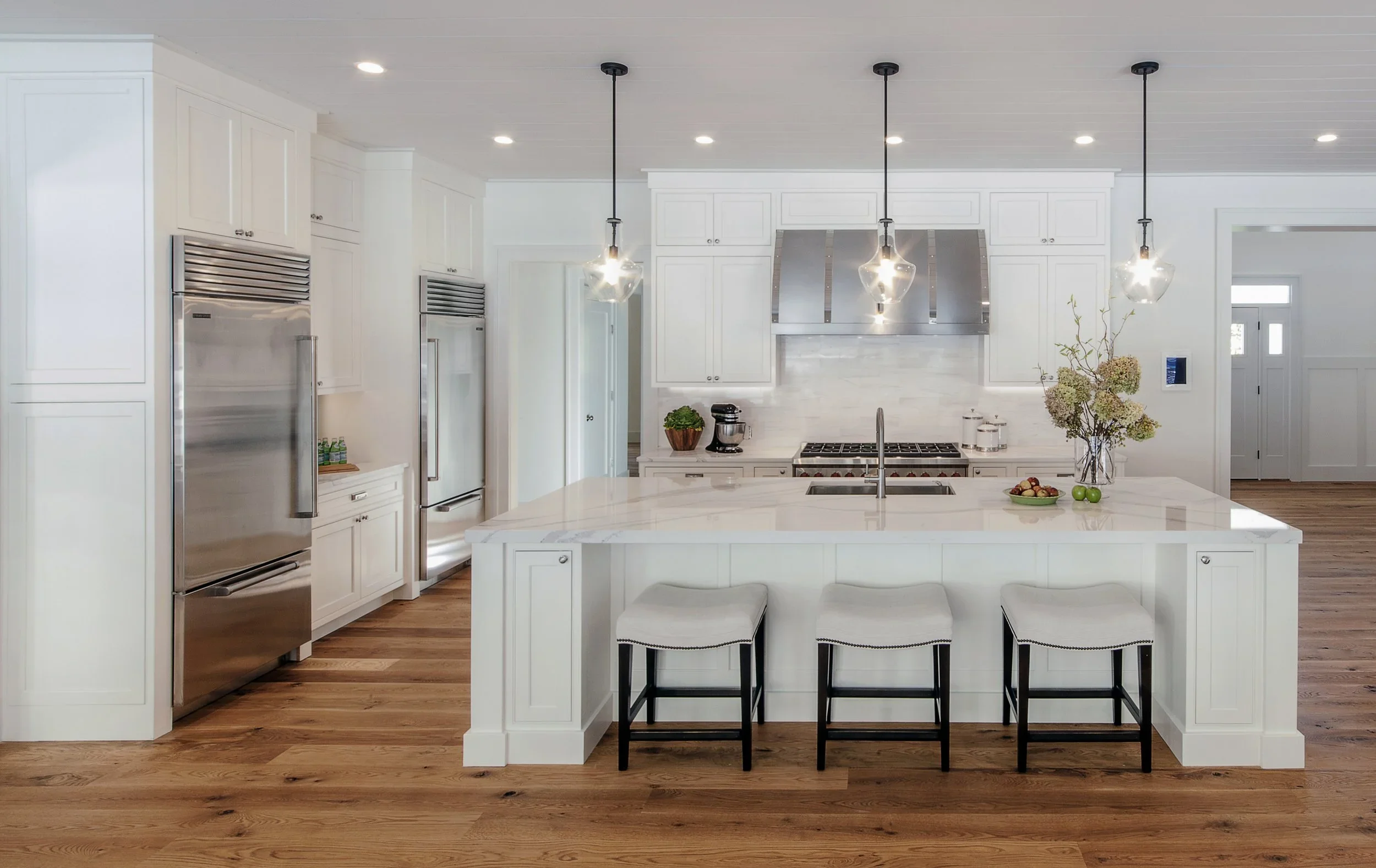
Custom cabinetry can completely transform your kitchen, bathroom, or living space—adding both beauty and functionality tailored to your lifestyle. But before you dive into a custom project, it’s important to understand what’s involved so you can make informed decisions and avoid costly surprises.
Here’s everything you need to know before getting started.
What Is Custom Cabinetry?
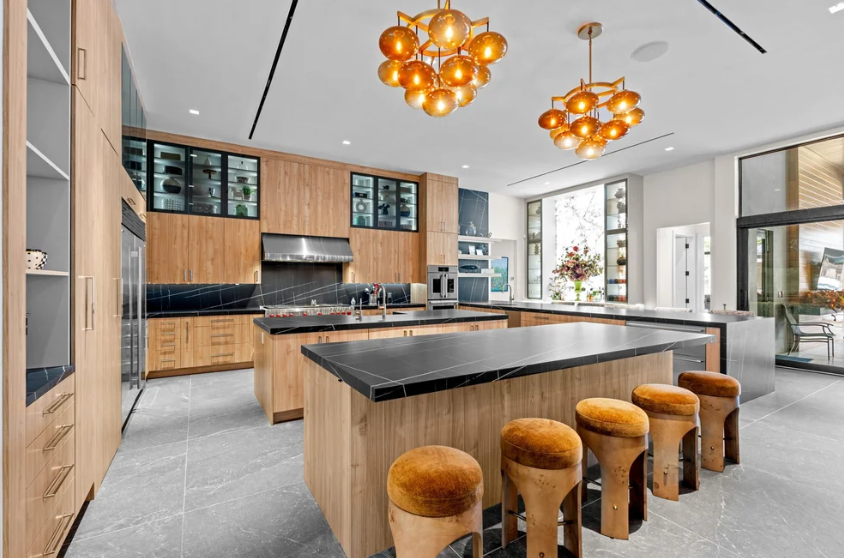
Custom cabinetry is built specifically for your space, style, and storage needs. Unlike stock or semi-custom options, custom cabinets are designed from scratch—meaning every detail, from dimensions to finishes, is tailored to you.
Key Benefits:
Perfect fit for any space (no fillers or awkward gaps)
Unlimited design options
Personalized storage solutions
Higher quality craftsmanship
1. Understand Your Needs First
Before choosing styles or finishes, think about how you actually use your space.
Ask yourself:
Do I need more storage, better organization, or both?
What items do I use daily vs. occasionally?
How many people use this space at once?
Pro Tip:
Create a wishlist of “must-haves” (like deep drawers, spice pull-outs, or appliance garages) and “nice-to-haves.”
2. Set a Realistic Budget
Custom cabinetry is an investment, and pricing can vary widely based on materials, design complexity, and finishes.
What affects cost:
Wood type (maple, oak, walnut, etc.)
Door style and construction
Hardware and accessories
Finishes (painted vs. stained)
Smart Planning:
Allocate a portion of your remodel budget specifically for cabinetry
Plan for unexpected upgrades or changes
3. Choose the Right Materials
The materials you choose will impact durability, appearance, and cost.
Common options:
Solid wood: Durable and high-end
Plywood: Strong and moisture-resistant
MDF: Smooth and great for painted finishes
Each material has its place depending on your design goals and budget.
4. Focus on Functionality
Custom cabinets should work for your daily life—not just look good.
Popular functional upgrades:
Soft-close drawers and doors
Pull-out shelves and organizers
Built-in trash and recycling
Vertical tray storage
Think beyond standard shelves and consider how to make every inch usable.
5. Plan for Timeline & Lead Time
Custom cabinetry takes time—often several weeks to months from design to installation.
Typical timeline includes:
Design and revisions
Material selection
Fabrication
Installation
Important:
Delays can happen, so build flexibility into your schedule.
6. Don’t Overlook Hardware
Hardware may seem like a small detail, but it has a big impact on both style and usability.
Consider:
Knobs vs. pulls
Finish (brushed nickel, matte black, brass)
Comfort and grip
Hardware is one of the easiest ways to personalize your cabinets.
7. Work with the Right Professionals
A successful custom cabinetry project depends heavily on who you work with.
Look for:
Experienced designers and craftsmen
A strong portfolio of past work
Clear communication and detailed plans
The right team will guide you through decisions and help bring your vision to life.
8. Think Long-Term
Trends come and go, but your cabinetry should last for years.
Tips for longevity:
Choose timeless door styles
Stick with neutral tones for larger elements
Invest in quality construction
You can always update paint or hardware later—but the structure should stand the test of time.
Final Thoughts
Custom cabinetry offers unmatched flexibility, quality, and personalization—but it requires thoughtful planning. By understanding your needs, setting a realistic budget, and working with experienced professionals, you can create a space that’s both beautiful and highly functional.
Whether you’re remodeling your kitchen or upgrading a bathroom, custom cabinets are an investment that can elevate your entire home—when done right.
If you're just getting started, take your time exploring options and asking questions. The more prepared you are, the smoother your project will be—and the more you’ll love the final result.
