
Kitchen Layouts: Pros, Cons & Best Designs
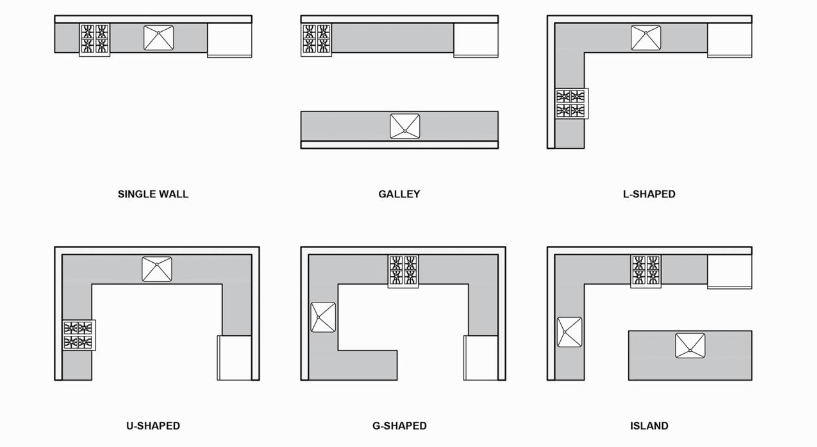
Designing a kitchen isn’t just about picking finishes and appliances—it’s about choosing a layout that supports how you live, cook, and gather. The right layout can make your kitchen feel spacious, efficient, and welcoming, while the wrong one can lead to daily frustration.
Here’s a breakdown of the most popular kitchen layouts, including their pros, cons, and where they work best.
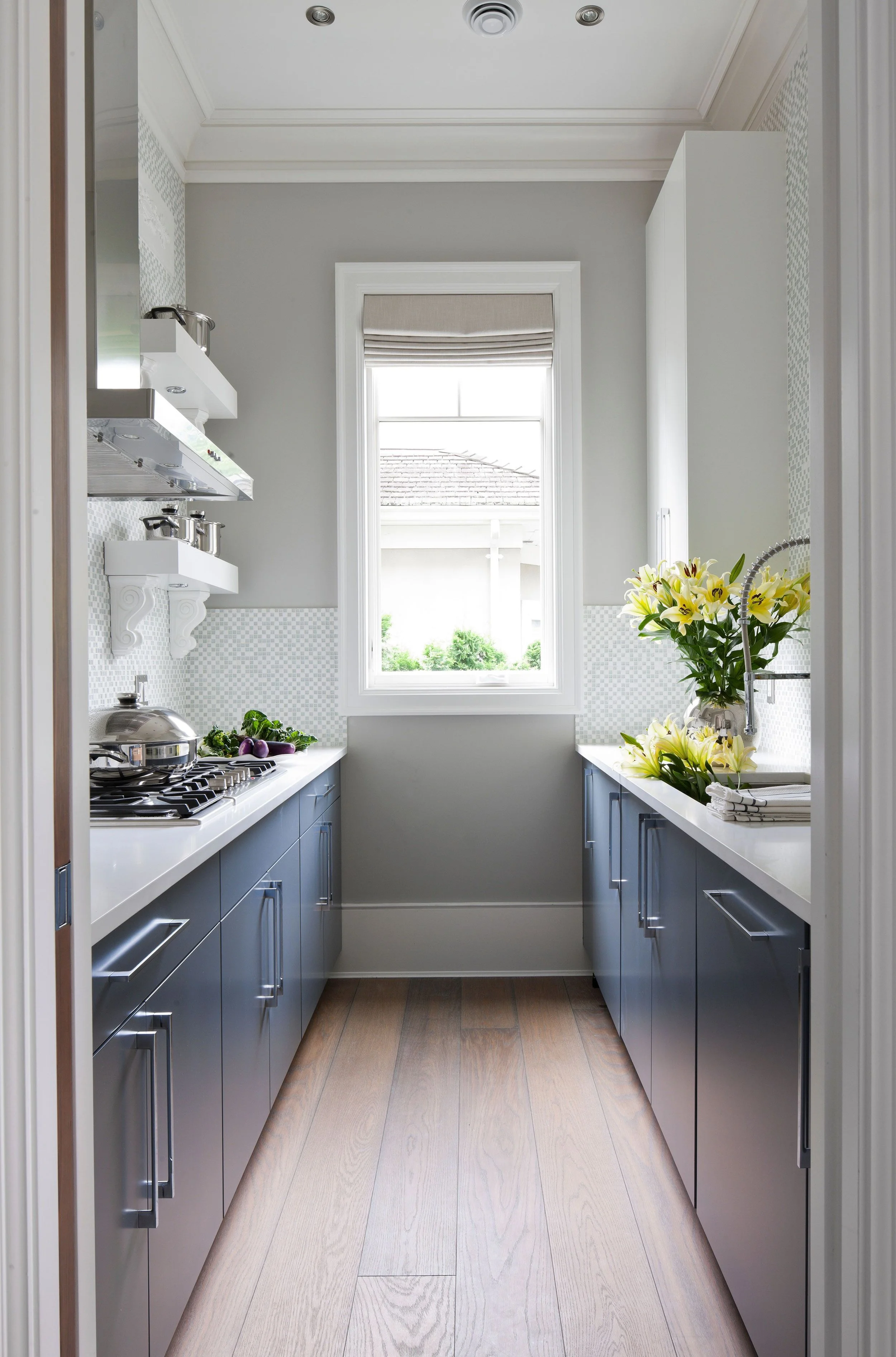
1. Galley Kitchen
Overview:
A galley kitchen features two parallel walls or countertops with a walkway in between.
Pros:
Highly efficient for cooking (great “work triangle” flow)
Maximizes small spaces
Typically more affordable due to fewer cabinets and materials
Cons:
Can feel narrow or cramped
Limited space for multiple people cooking
Not ideal for entertaining
Best Uses:
Apartments or smaller homes
Condos and rental properties
Homeowners who prioritize function over gathering space
2. L-Shaped Kitchen
Overview:
This layout uses two adjoining walls to form an “L” shape, leaving the rest of the space open.
Pros:
Open and flexible design
Great for incorporating a dining area or island
Works well in both small and large spaces
Cons:
Corner storage can be tricky (lazy Susans or pull-outs help)
Work triangle may be spread out in larger layouts
Best Uses:
Open-concept homes
Families who want a balance of cooking and social space
Medium-sized kitchens
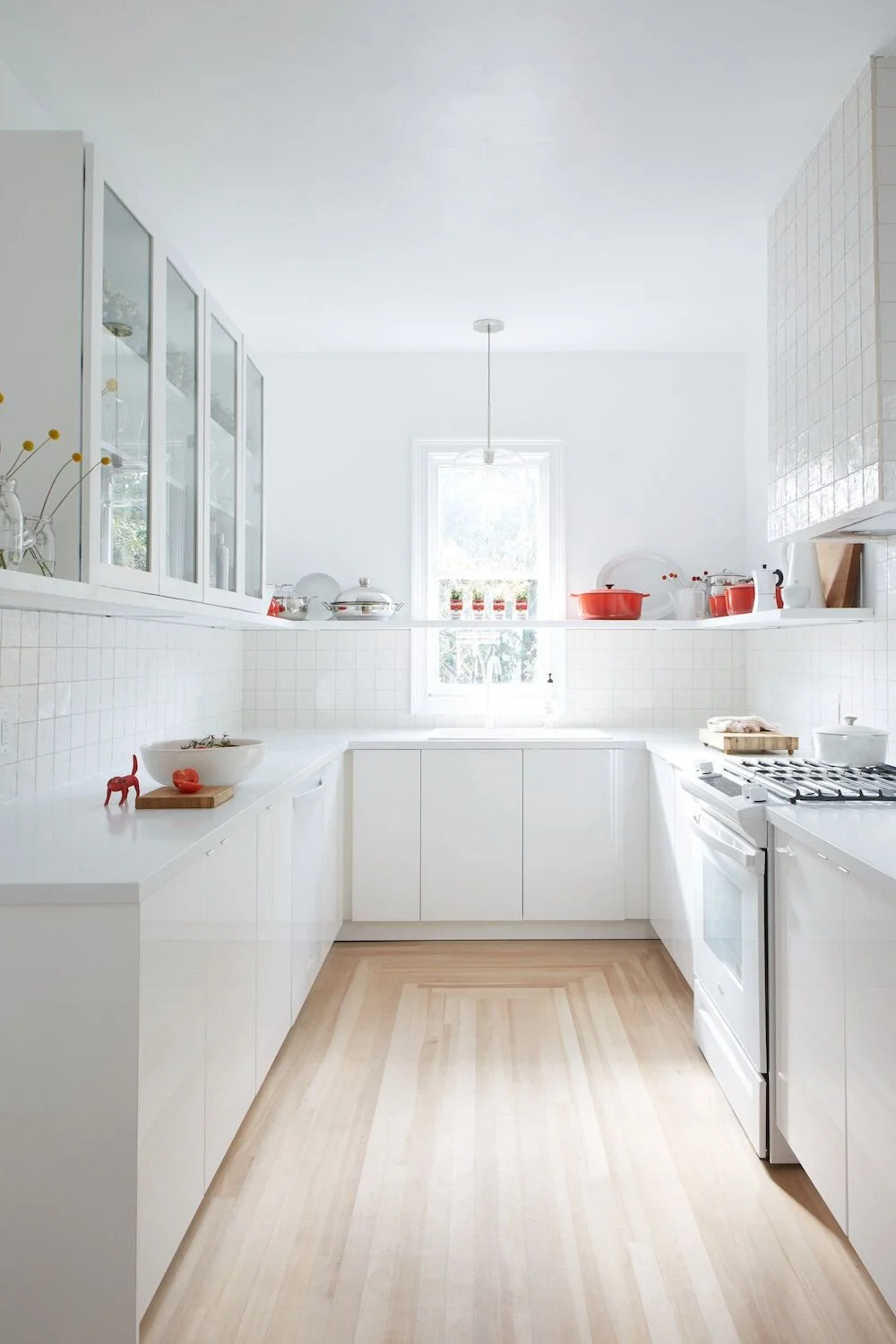
3. U-Shaped Kitchen
Overview:
Cabinets and countertops run along three walls, forming a “U.”
Pros:
Excellent storage and counter space
Highly efficient workflow
Ideal for multiple cooks
Cons:
Can feel enclosed if not designed well
Requires more square footage
Corner cabinets can be difficult to access
Best Uses:
Larger kitchens
Serious home cooks
Households needing maximum storage
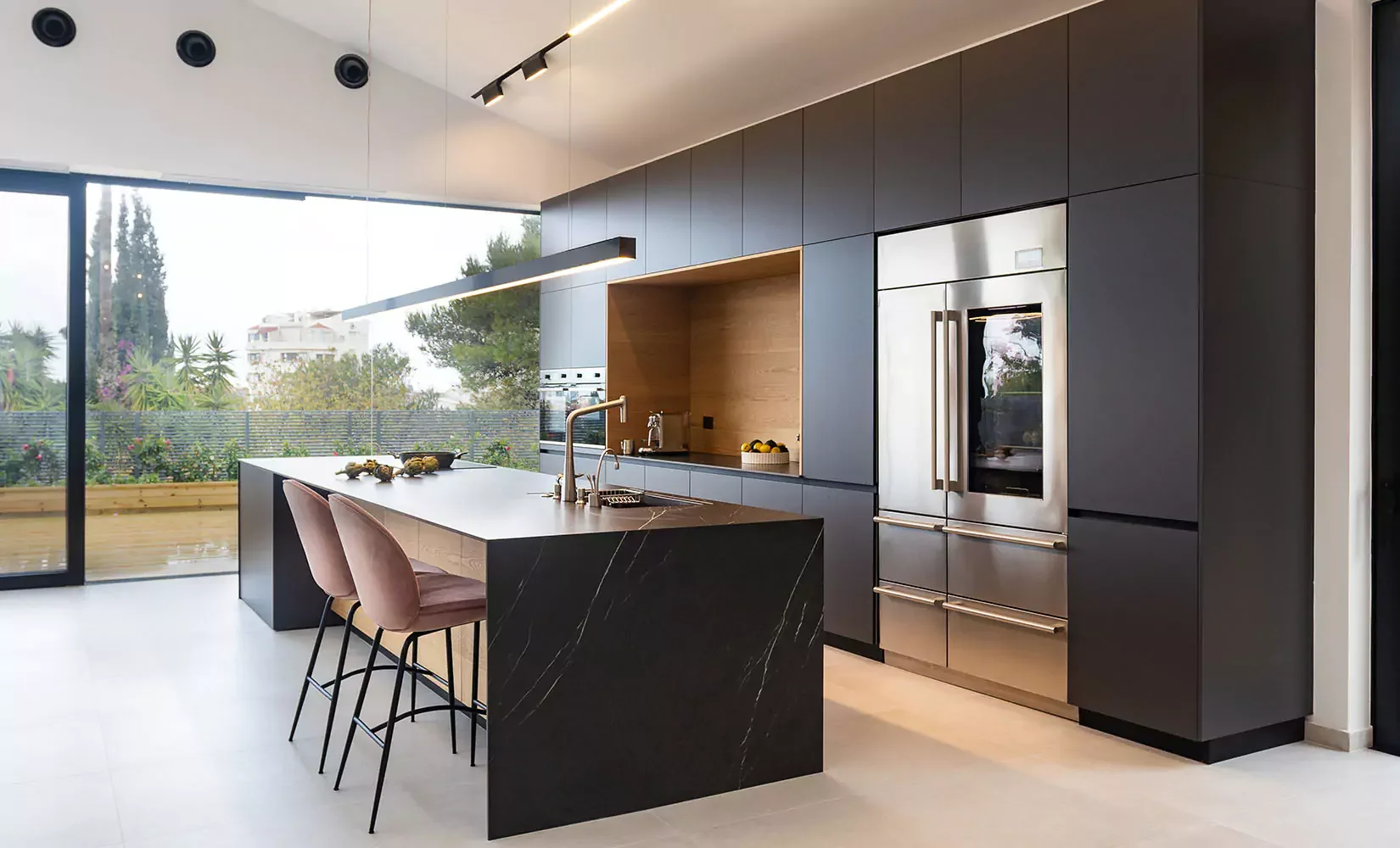
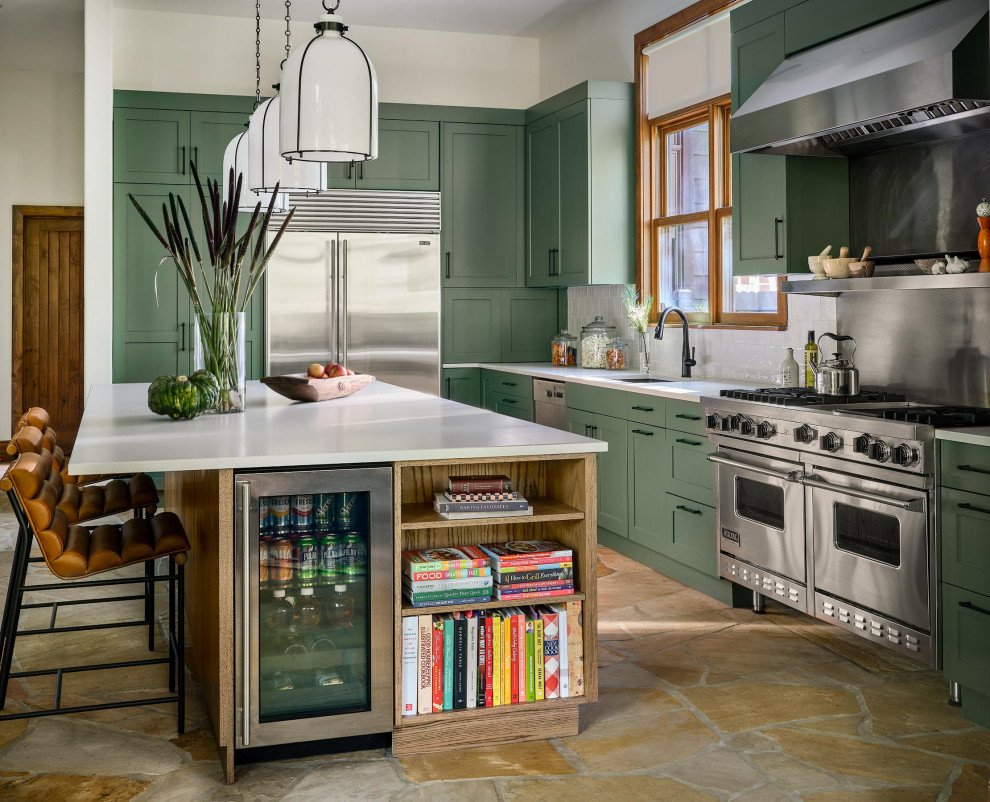
4. Island Kitchen
Overview:
An island layout adds a freestanding workspace in the center of the kitchen, often paired with L- or U-shaped designs.
Pros:
Additional prep space and storage
Perfect for entertaining and socializing
Can include seating, sink, or cooktop
Cons:
Requires adequate space to avoid crowding
Can disrupt workflow if poorly placed
Higher cost due to added cabinetry and utilities
Best Uses:
Open-concept homes
Families and frequent entertainers
Kitchens with ample square footage
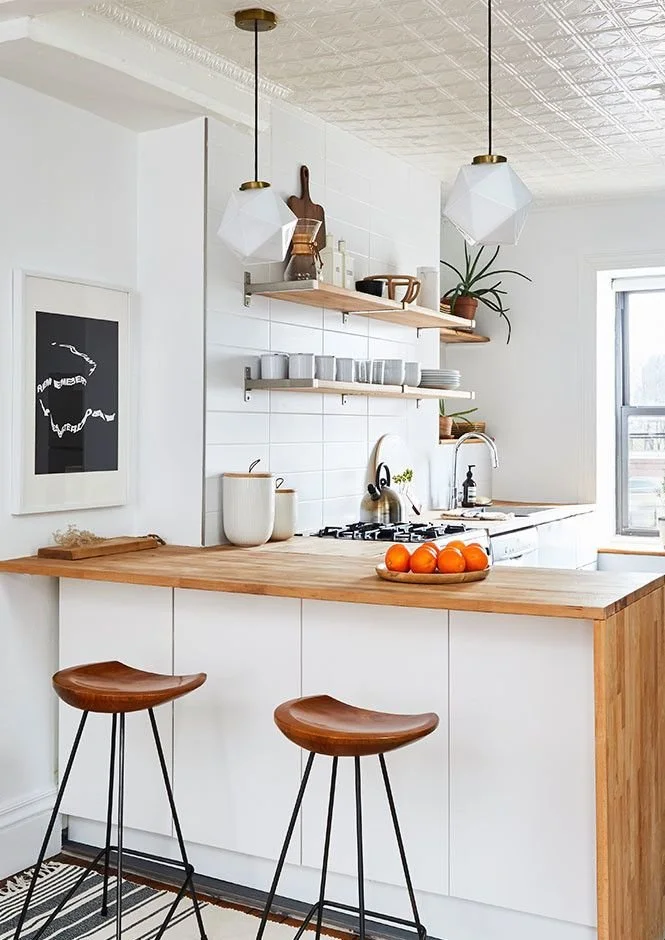
5. Peninsula Kitchen
Overview:
Similar to an island, but attached to a wall or cabinetry, creating a connected “peninsula.”
Pros:
Adds counter space without needing as much room as an island
Provides seating and separation from other areas
Efficient for smaller spaces
Cons:
Can limit traffic flow if poorly designed
Less flexible than a freestanding island
Best Uses:
Small to mid-sized kitchens
Homes transitioning to open-concept layouts
Remodels where space is limited
6. One-Wall Kitchen
Overview:
All cabinets, appliances, and counters are placed along a single wall.
Pros:
Space-saving and minimalist
Cost-effective
Works well in open layouts and lofts
Cons:
Limited storage and counter space
Less efficient workflow
Not ideal for multiple users
Best Uses:
Studios or loft-style homes
Guest houses or secondary kitchens
Modern, minimalist designs

Choosing the Right Layout
The best kitchen layout depends on a few key factors:
Space: How much room do you have to work with?
Lifestyle: Do you cook daily, entertain often, or need family-friendly space?
Traffic Flow: How people move through the kitchen matters just as much as how it looks
Storage Needs: More cooking usually means more storage requirements
There’s no one-size-fits-all solution—but with the right layout, your kitchen can become the true heart of your home.
Final Thoughts
A well-designed kitchen layout blends functionality with comfort. Whether you’re working with a compact space or planning a full renovation, understanding these layout options will help you make smarter, more confident design decisions.
If you're planning a remodel, consider how you use your kitchen today—and how you want to use it in the future. That’s the key to choosing a layout that truly works for you.
